
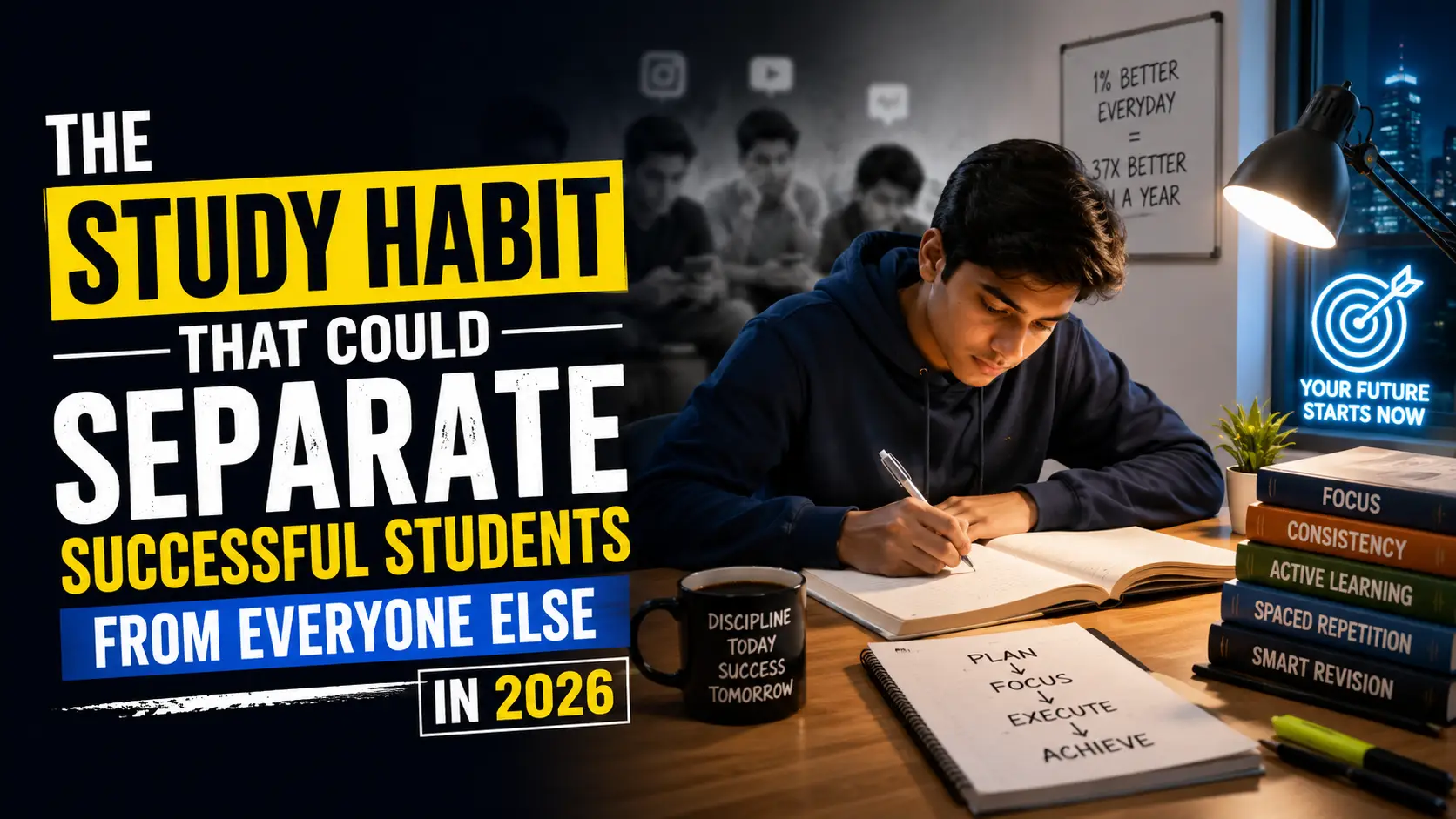
Why Some Students Learn Faster Than Others
Every classroom has a few students who seem to learn faster, remember more information, and perform better in exams.
Many people assume they are naturally more intelligent.
However, education experts increasingly believe that success often comes from study habits rather than intelligence alone.
The difference between average and high-performing students is frequently found in how they learn, not how many hours they spend studying.
As competition increases and information becomes more accessible, effective learning strategies are becoming more important than ever.
The Biggest Problem Students Face Today
Modern students have access to unlimited information.
They can watch tutorials, read articles, use AI tools, attend online classes, and access digital libraries.
Ironically, too much information can create a new problem.
Many students spend more time collecting study materials than actually studying them.
They download PDFs, save videos, bookmark websites, and create long reading lists.
But learning does not happen through collecting resources.
Learning happens through focused practice and understanding.
Why Long Study Hours Do Not Always Work
Many students believe success requires studying for 10 to 12 hours every day.
Research suggests that productivity matters more than total hours.
A student who studies effectively for three focused hours may learn more than someone distracted for ten hours.
Common distractions include:
- Social media
- Notifications
- Gaming
- Random internet browsing
- Multitasking
Successful students often focus on quality rather than quantity.
They create structured study sessions and eliminate unnecessary distractions.
Artificial Intelligence Is Changing Education
One of the biggest educational trends today is the use of AI tools.
Students now use AI for:
- Understanding concepts
- Solving problems
- Summarizing notes
- Practicing languages
- Generating quizzes
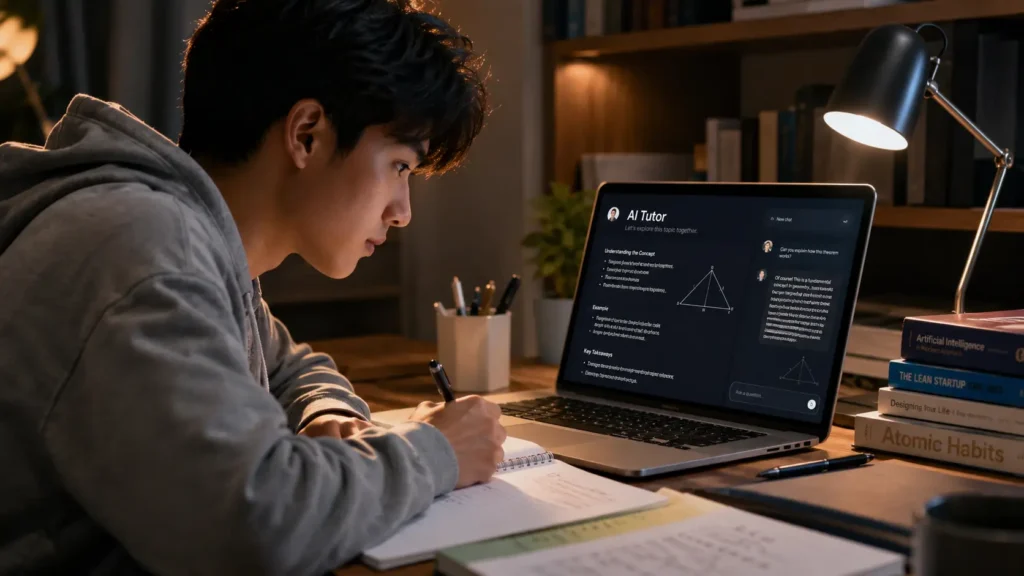
AI can act like a personal tutor available at any time.
However, experts recommend using AI to learn rather than simply copying answers.
Students who use technology to improve understanding often gain greater benefits than those who depend on shortcuts.
The Rise of Skill-Based Learning
Degrees remain valuable, but employers increasingly pay attention to skills.
Many students now learn:
- Coding
- Graphic design
- Video editing
- Digital marketing
- Data analysis
- Artificial intelligence
These practical skills can complement traditional education.
As industries evolve, lifelong learning is becoming an important advantage.
People who continue learning new skills often adapt more successfully to changing job markets.
Why Reading Is Making a Comeback
Short-form content dominates social media.
However, many successful students are returning to long-form reading.
Books, detailed articles, and research materials help improve:
- Focus
- Vocabulary
- Critical thinking
- Problem-solving
Reading trains the brain to process information deeply rather than quickly scrolling through content.
This ability is becoming increasingly valuable in a world full of distractions.
The Future Classroom May Look Completely Different
Technology is changing how education is delivered.
Future classrooms may include:
- AI tutors
- Virtual reality learning
- Interactive simulations
- Personalized study plans
- Smart assessments
Instead of every student following the same path, learning could become increasingly personalized.
Educational technology companies are investing heavily in tools designed to improve learning outcomes.
The Importance of Consistency
One lesson appears repeatedly among high-performing students.
Consistency matters more than motivation.
Motivation comes and goes.
Consistent habits create long-term results.
Studying a little every day often produces better outcomes than occasional intense study sessions.
Small improvements repeated over time can create significant progress.
What Students Should Focus On in 2026
The world is changing rapidly.
Students preparing for future careers should focus on:
- Communication skills
- Problem-solving
- Technology literacy
- Critical thinking
- Adaptability
- Continuous learning
These abilities may become increasingly valuable regardless of industry.
Employers are looking for individuals who can learn quickly and adapt to change.
Final Thoughts
Education is no longer limited to classrooms and textbooks.
Students now have access to tools, resources, and opportunities that previous generations could only imagine.
Success in 2026 may depend less on memorizing information and more on learning how to learn effectively.
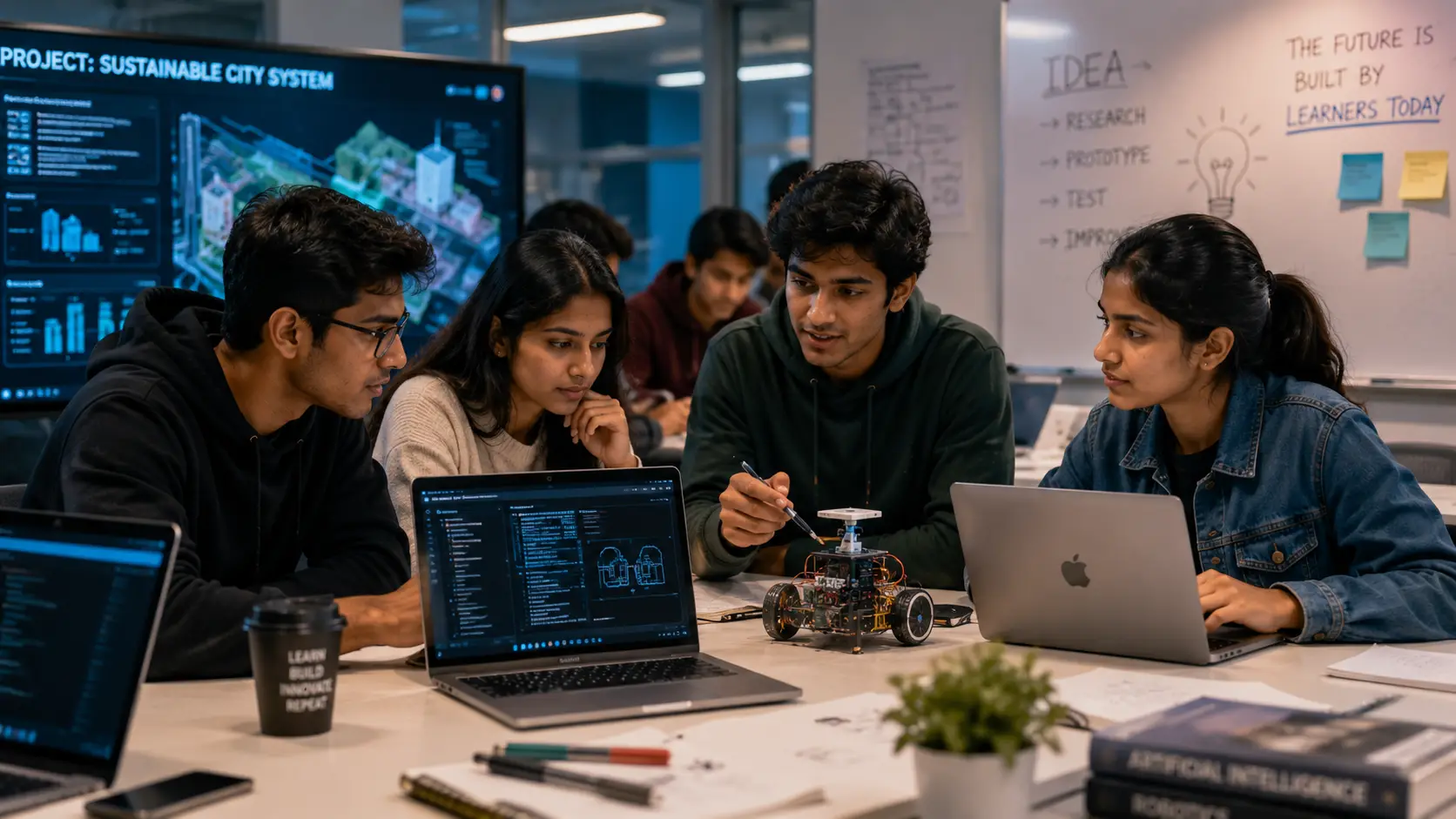
The students who combine discipline, technology, curiosity, and consistency are likely to be the ones who thrive in the future.
In a world changing faster than ever, the ability to keep learning may become the most valuable skill of all.
How AI is Changing Jobs and Online Earning- The New Digital Revolution
Share Market Explained for Beginners: A Simple Guide to Investing and Building Wealth in 2026