
What Is Happening?
Something big is happening in the automobile industry.
For years, electric vehicles were seen as niche products bought by a small number of technology enthusiasts. Today, that situation is changing rapidly.
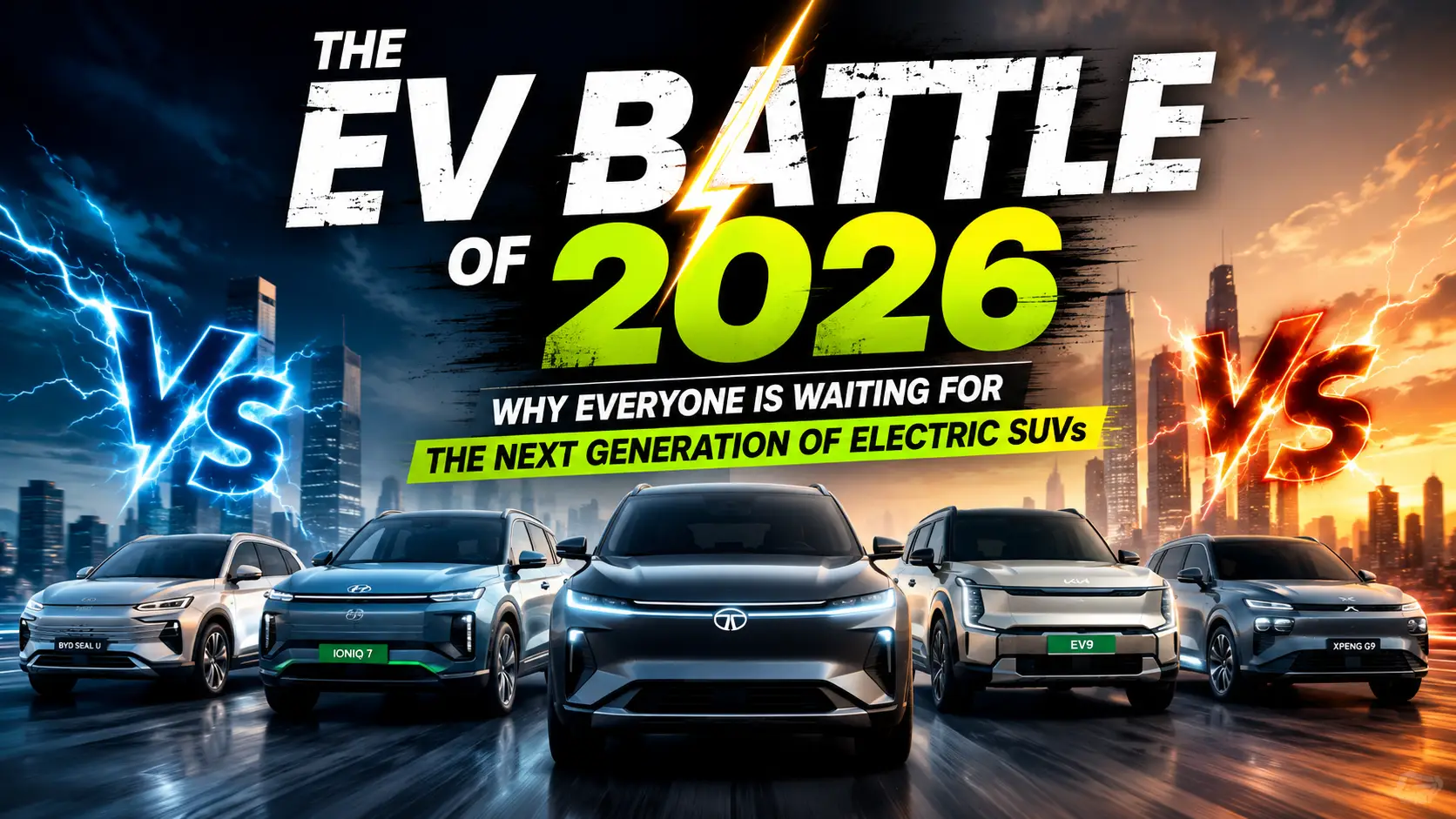
2026 is shaping up to be one of the biggest years for electric vehicles in India, with multiple manufacturers preparing new EV launches across different price segments. Models such as the Tata Sierra EV, Hyundai Inster EV, Toyota Urban Cruiser Ebella, and several other electric SUVs are attracting significant attention from buyers.
Many industry experts believe that the next few years could completely change how Indians think about transportation.
Why Electric Vehicles Are Suddenly Everywhere
A few years ago, one of the biggest concerns about EVs was range anxiety.
People worried about:
- Charging stations
- Battery life
- High prices
- Long-distance travel
Today, manufacturers are solving many of those problems.
Modern EVs offer:
- Better battery technology
- Longer range
- Faster charging
- More features
- Improved safety
As technology improves, electric vehicles are becoming practical for everyday use.
The result is simple:
More buyers are starting to seriously consider EVs as their next vehicle.
Tata Sierra EV Could Become One of the Biggest Launches
One of the most anticipated launches is the Tata Sierra EV.
The Sierra name carries strong nostalgia because many Indians remember the original Sierra from previous decades.
The new version is expected to combine modern technology with futuristic design, creating a product that appeals to both old and new generations of buyers. Industry reports suggest it could become one of the most talked-about EV launches of the year.
Consumers are especially interested in:
- Premium design
- Advanced technology
- Electric performance
- Modern interiors
The Sierra EV represents more than a vehicle launch.
It represents the return of an iconic name.
Hyundai Is Preparing a Different Strategy
While some companies focus on larger SUVs, Hyundai is taking a different approach.
The Hyundai Inster EV is expected to target urban buyers looking for:
- Affordable electric mobility
- Compact size
- Technology-focused interiors
- Efficient city driving
Reports indicate the vehicle may include advanced digital features despite its smaller footprint.
For younger buyers entering the EV market, this could become an attractive option.
Toyota Is Entering the EV Race More Aggressively
Toyota has traditionally been known for reliability and hybrid technology.
Now the company appears ready to expand its electric vehicle presence through the Urban Cruiser Ebella. Reports suggest the model may offer multiple battery options and competitive range figures, making it an important addition to the growing EV market.
Toyota’s entry is important because:
- Strong brand reputation
- Large service network
- Proven reliability
- Growing EV focus
Many buyers trust established brands when adopting new technologies.
That trust could play a major role in EV adoption.
Why Investors Are Watching the EV Industry
Electric vehicles are no longer only about transportation.
They are becoming an investment story.
Companies are investing billions into:
- Battery manufacturing
- Charging networks
- Software development
- Vehicle technology
India’s EV market is expected to grow significantly in the coming years, supported by increasing consumer interest and industry investment.
Investors see opportunities not only in vehicle manufacturing but also in the broader ecosystem surrounding electric mobility.
Charging Infrastructure Is Expanding
One reason EV adoption is increasing is improved charging infrastructure.
A few years ago, finding a charging station could be difficult.
Today, charging networks are expanding across cities and highways.
This expansion is making electric vehicles more practical for:
- Daily commuting
- Weekend travel
- Long-distance driving
Infrastructure growth often influences consumer confidence.
The easier charging becomes, the more comfortable buyers feel about switching to electric vehicles.
Technology Is Becoming the Main Selling Point
Today’s buyers want more than transportation.
They want technology.
Modern EVs now compete on:
- Software
- Smart dashboards
- AI features
- Connectivity
- Digital experiences
Vehicle manufacturers are increasingly behaving like technology companies.
Software updates, connected services, and smart interfaces are becoming important purchasing factors.
The future vehicle may feel more like a smartphone on wheels than a traditional automobile.
Could EVs Become the Default Choice?
This is the question many analysts are asking.
While petrol and diesel vehicles will remain important for years, the momentum behind electric mobility continues growing.
Several factors support this trend:
- Technology improvements
- Lower running costs
- Environmental concerns
- Government initiatives
- Expanding infrastructure
Final Thoughts
The electric vehicle industry is entering one of its most exciting periods.
New launches, improved technology, expanding infrastructure, and growing consumer interest are creating momentum that could reshape transportation over the next decade.
Whether it is the return of iconic models like the Sierra EV, new urban-focused vehicles such as the Inster EV, or Toyota’s expanding EV strategy, one thing is becoming clear:
The next generation of vehicles will be smarter, cleaner, and more connected than ever before. And for many consumers, the future of driving may already be arriving.