
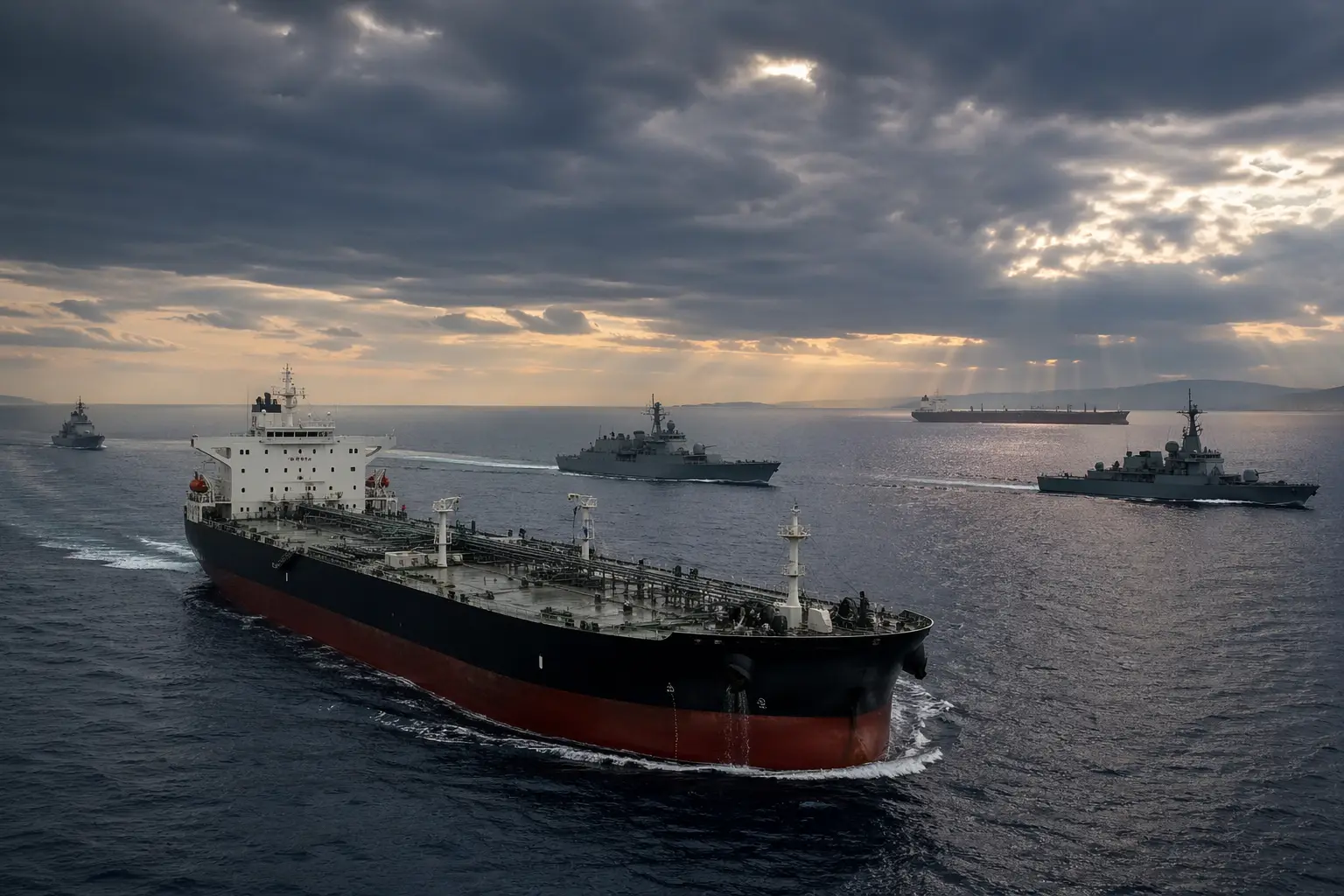
Understand Iran conflict 2026, its impact on petrol diesel prices, global oil crisis, India economy and future fuel trends in simple terms.
Iran Conflict 2026 and Its Impact on Fuel Prices
source:-mints
The ongoing Iran conflict in 2026 has become one of the biggest global issues affecting fuel prices and the economy worldwide. This situation is not just limited to the Middle East but has a direct impact on countries like India that depend heavily on oil imports. The conflict has increased tensions in critical oil supply routes, especially the Strait of Hormuz, which is responsible for transporting a large portion of the world’s oil. Due to rising geopolitical tensions, global crude oil prices have surged significantly, creating uncertainty in fuel markets. According to recent reports, oil prices have already crossed high levels due to fears of supply disruption. For common people, this means petrol and diesel prices may rise or remain unstable. Governments are trying to manage the situation, but global factors are beyond direct control. This conflict has clearly shown how sensitive fuel prices are to international events and why staying updated is important for everyone.
What is Happening Between Iran and the World
The Iran conflict involves rising tensions between Iran, the United States, and its allies, leading to military actions, sanctions, and disruptions in oil transportation. One of the most critical developments is the increasing control over the Strait of Hormuz, a narrow but extremely important sea route for global oil supply. Around 20 percent of the world’s oil passes through this route, making it highly sensitive to conflict. Recently, there have been incidents of tanker seizures, military interventions, and restrictions on oil shipments, which have created fear in global markets. These events have reduced the smooth flow of oil, causing supply shortages and price increases. The situation remains unstable, with ongoing negotiations and occasional escalations. For countries like India, this conflict is not just international news but a real concern affecting daily expenses and economic stability.
Why Oil Prices Are Increasing Rapidly
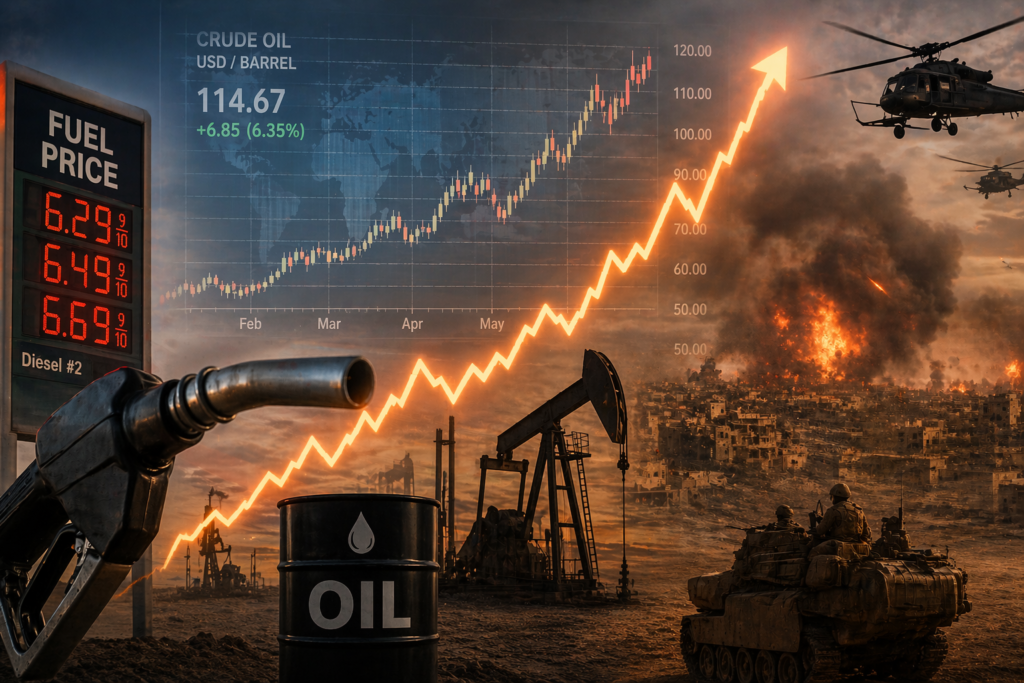
Oil prices are increasing rapidly due to supply disruptions and market uncertainty caused by the Iran conflict. When oil supply is threatened, even slightly, global markets react quickly, pushing prices higher. Recent reports indicate that crude oil prices have risen sharply, reaching levels above $100 per barrel due to fears of escalation. Reuters Another major reason is the restriction or monitoring of oil tankers passing through key routes, which slows down supply chains. Additionally, conflicts have damaged oil infrastructure and created logistical challenges, reducing production and exports. Wikipedia As a result, demand remains high while supply becomes uncertain, leading to price hikes. Investors and traders also contribute to this volatility as they react to news and speculate on future risks. This combination of factors makes oil prices unpredictable, affecting petrol and diesel costs globally.
Impact on Petrol Diesel Prices in India
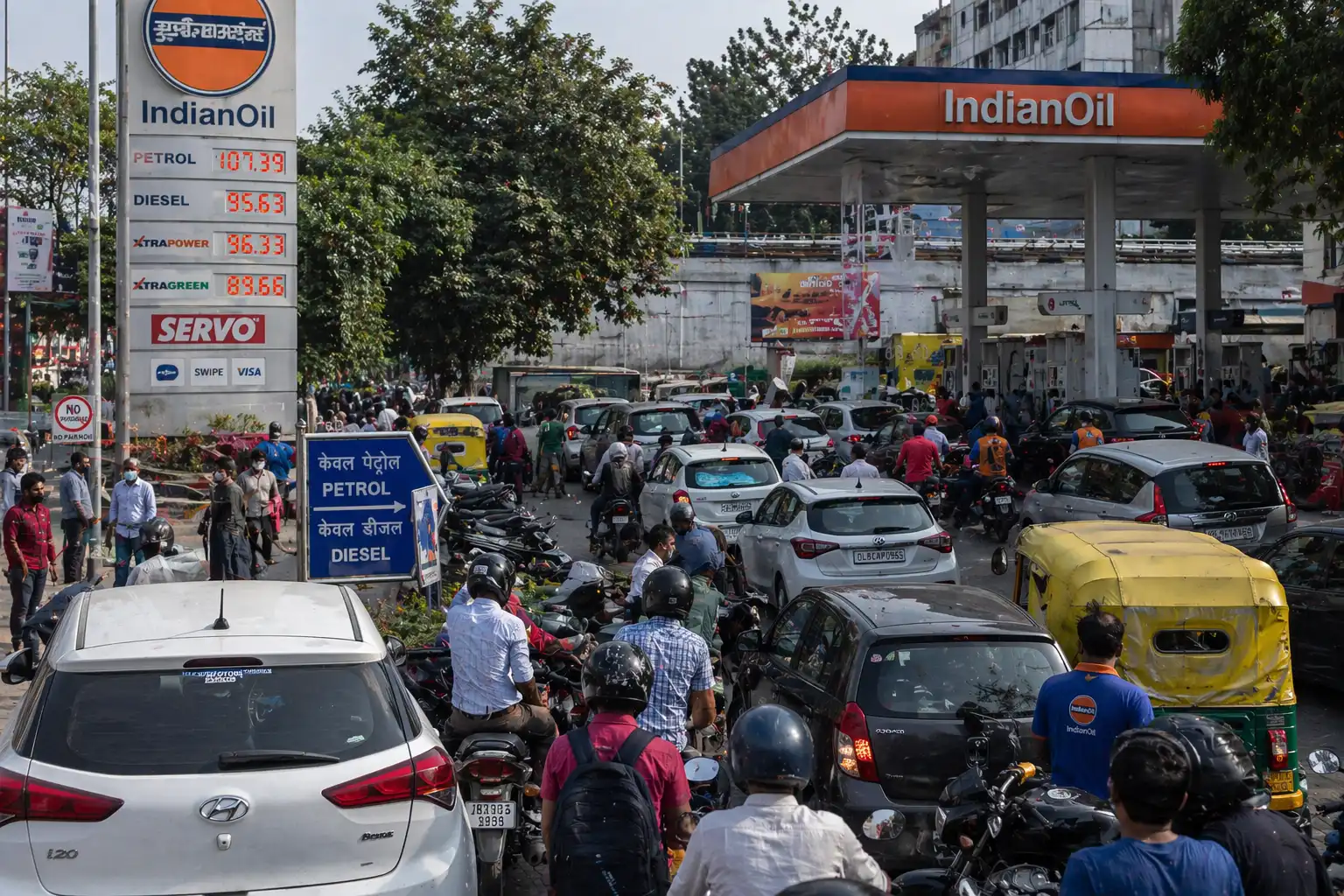
India is one of the largest importers of crude oil, which makes it highly sensitive to global price changes. When international oil prices rise due to conflicts like the one involving Iran, India’s fuel prices are directly affected. Reports suggest that prolonged disruptions could increase India’s import costs and widen the trade deficit. Reuters This eventually leads to higher petrol and diesel prices or increased financial pressure on the government to control rates. In some cases, governments reduce taxes or provide subsidies to protect consumers, but this is not always sustainable. Additionally, rising fuel prices can lead to inflation, increasing the cost of goods and services. Transportation, agriculture, and industries all face higher expenses, which are often passed on to consumers. Therefore, even if petrol prices do not rise immediately, the long-term impact of the Iran conflict can still affect everyday life in India.
Global Economic Impact of Iran Conflict
The Iran conflict is not just about fuel prices; it has a much wider impact on the global economy. Rising oil prices increase production and transportation costs worldwide, leading to inflation in many countries. Experts warn that continued disruptions could even lead to a global economic slowdown or recession. Business insider Industries that depend heavily on fuel, such as aviation, logistics, and manufacturing, are particularly affected. Additionally, stock markets often react negatively to geopolitical tensions, causing financial instability. The conflict has also disrupted natural gas supplies and other energy resources, further increasing pressure on global markets. Developing countries are especially vulnerable because they rely heavily on imported energy. This situation highlights how interconnected the global economy is and how a conflict in one region can impact economies worldwide.
Future of Fuel Prices After Iran Crisis
The future of fuel prices largely depends on how the Iran conflict evolves. If tensions continue or escalate, oil prices may remain high or even increase further. On the other hand, if peace talks succeed and supply routes stabilize, prices could gradually decrease. However, experts believe that even after the conflict ends, its effects may continue for some time due to disrupted supply chains and economic adjustments. Countries may start exploring alternative energy sources to reduce dependency on Middle Eastern oil. This could accelerate the shift toward renewable energy and electric vehicles. For now, uncertainty remains the biggest challenge, and fuel markets are likely to stay volatile. Consumers and businesses need to be prepared for sudden changes in fuel prices in the coming months.
How People Can Handle Rising Fuel Costs
With rising fuel prices due to global conflicts, individuals need to adopt practical strategies to manage expenses. Simple steps like reducing unnecessary travel, using public transport, and maintaining vehicles properly can help improve fuel efficiency. Carpooling is another effective way to reduce fuel consumption and save money. People can also plan their trips better to avoid traffic and unnecessary fuel wastage. In the long term, switching to fuel-efficient or electric vehicles can be a smart decision. Businesses can optimize logistics and reduce transportation costs by using better planning and technology. Governments may also introduce policies or subsidies to support citizens during such times. While individuals cannot control global events like the Iran conflict, they can take steps to reduce its impact on their daily lives. Awareness and smart planning are key to handling rising fuel costs effectively.
Conclusion- Why Iran Conflict Matters to Everyone
In conclusion, the Iran conflict in 2026 is a major global event with far-reaching consequences, especially for fuel prices and the economy. It highlights the importance of global oil supply chains and how disruptions can impact everyday life. For countries like India, which rely heavily on imported oil, such conflicts create economic challenges and affect millions of people. From rising petrol and diesel prices to inflation and economic uncertainty, the effects are widespread. Understanding this situation helps individuals stay informed and prepared for potential changes. While governments and global leaders work toward resolving conflicts, the impact on fuel markets will continue to be felt. Staying updated, managing expenses wisely, and exploring alternative energy options can help reduce the impact of such global crises. The Iran conflict is a reminder of how interconnected the world is and why global events matter to everyone.
1 thought on “Iran Conflict 2026- How It Affects Petrol Diesel Prices and Global Economy”