
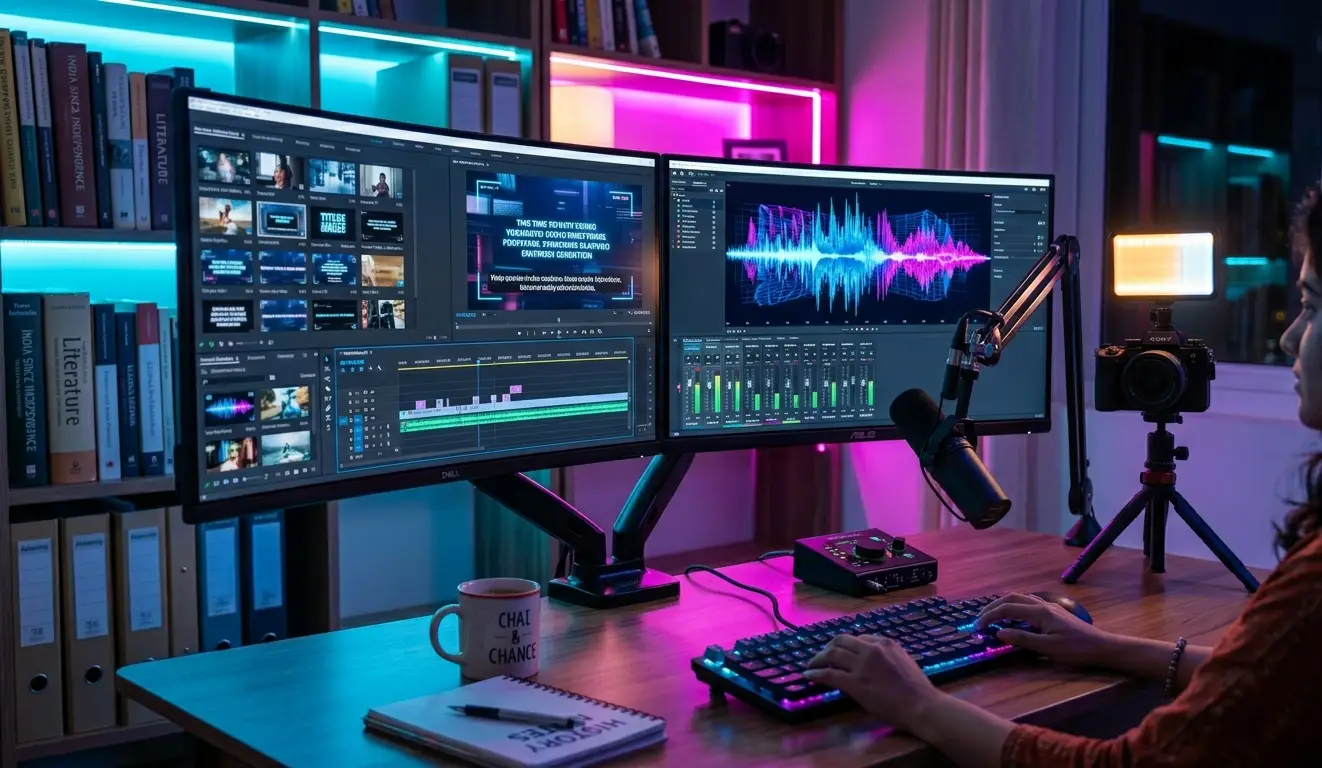
The digital creation landscape has completely transformed. In 2026, content creation is no longer about grinding through hours of tedious technical execution; it is about leveraging advanced AI systems to amplify your creative expression. From instantaneous video localized dubbing to seamless text-to-video asset rendering, artificial intelligence has evolved into an essential creative teammate.
Whether you are an independent YouTuber, a digital copywriter, a podcaster, or a social media manager, staying competitive requires utilizing the absolute sharpest software stack. This definitive guide breaks down the premium AI applications leading the creator economy in 2026 across text, video, design, and audio production.
1. Next-Generation Text & Research Engines
Writing in 2026 isn’t just about automated drafts; it’s about deeply integrated context, real-time factual accuracy, and specific stylistic personalization.
•Gemini 1.5 Pro & Gemini 2.0 Series: With its massive million-token context window, Gemini remains the absolute powerhouse for deep research. Creators use it to upload entire books, raw interview footage, or comprehensive research PDFs to instantly generate hyper-targeted multi-platform content schedules, video outlines, and long-form scripts.
•ChatGPT (GPT-4o / GPT-5 ecosystem): Perfect for conversational brainstorming, quick-turnaround interactive copy, and multi-layered narrative hooks tailored to different social media algorithmic formats.
•Claude 3.5 Sonnet: The premier option for creators requiring nuanced, human-like editorial depth. It is highly favored by newsletter authors and long-form essayists for its distinct lack of typical “AI idioms” and exceptional structural prose control.
2. Hyper-Realistic AI Video Generators & Editors
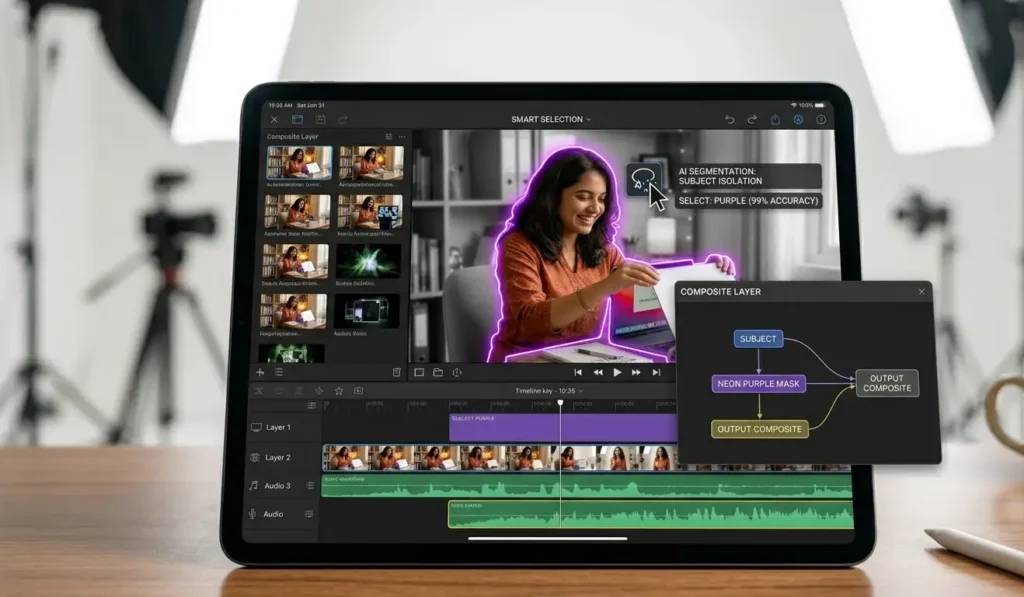
Video production pipelines that previously required multi-person teams and days of rendering are now handled instantly in the cloud.
•Runway Gen-3 Alpha & Sora Ecosystem: These tools allow video creators to generate cinematic B-roll, concept art video layers, and atmospheric transitions using raw descriptive text. In 2026, the temporal consistency of these models makes them virtually indistinguishable from live-action practical effects photography.
•CapCut Pro & Adobe Premiere Pro (AI Suite): Basic tasks like auto-captioning, multitalented audio leveling, and dynamic color grading are now completely autonomous. Smart frame-filling allows creators to effortlessly convert horizontal widescreen video files into perfectly centered vertical 9:16 clips for YouTube Shorts and TikTok with a single click.
•ElevenLabs Video Dubbing & Sync: For global expansion, this tool allows creators to translate their vocal delivery into dozens of languages while perfectly preserving their native vocal tone, inflections, and emotional delivery—complete with real-time AI lip-syncing.
3. Graphic Design & Visual Asset Generators
Eye-catching visual presentation remains the single biggest driver of click-through rates.
•Midjourney v6 / v7: The undisputed king of premium aesthetic conceptualization. From hyper-realistic YouTube thumbnail imagery to custom merchandise prints, Midjourney’s latest iterations offer unmatched detail, text rendering capabilities, and strict aspect-ratio control.
•Canva AI (Magic Studio): The fastest tool for high-speed social asset workflows. Its modern automated brand kit generator matches text prompts to your pre-existing typography guidelines, hex colors, and logo assets seamlessly to output daily social media graphic variations in bulk.
4. Audio Processing & Podcasting Suites
Clear audio is half the battle won for video and podcast creators alike.
•Adobe Podcast AI (Enhance Speech): This engine takes casual audio recorded on low-end smartphones or loud outdoor spaces and completely reconstructs it to sound like it was recorded in an isolated, treated professional recording studio.
•Descript: A game-changer that allows you to edit audio and video files exactly like editing a text document. Simply delete filler words (like “um” or “uh”) from the transcribed text file, and the app seamlessly slices the corresponding media files instantly.
Summary of the Creator Stack
Choosing the right software relies entirely on your core media channel:
Frequently Asked Questions (FAQs)

Q.1 Will using AI content tools get my blog or videos penalized by search platforms?
Ans: No. Search engines like Google and platform algorithms like YouTube focus heavily on the overall value, originality, and user engagement metrics of the content. As long as you edit, personalize, and verify the information to ensure it is highly accurate and engaging, using AI to assist in production is completely acceptable.
Q.2 Can I completely automate my channel using only AI tools?
Ans: While technically possible, fully automated “faceless channels” with zero human curation tend to struggle with retention. The most successful creators utilize AI as a hyper-efficient production assistant to handle the busywork, while maintaining their unique human perspective, editing style, and storytelling flow.
Q.3 Are these AI creative platforms free to use?
Ans: Most platforms operate on a freemium model. They offer basic generation tiers or free daily credits, but advanced features like high-resolution exports, heavy volume processing, and priority rendering speeds require a monthly subscription plan.
Conclusion
The goal of integrating artificial intelligence into your content pipeline in 2026 isn’t to replace your creative voice—it is to eliminate the mechanical bottlenecks. By letting AI handle data parsing, rough structural cutting, audio polishing, and quick asset sizing, you free up your mental energy to focus on what truly matters: original storytelling, distinct creative styling, and deep community interactio.
How AI Is Creating New Jobs in Small Indian Cities (2026 Guide)