
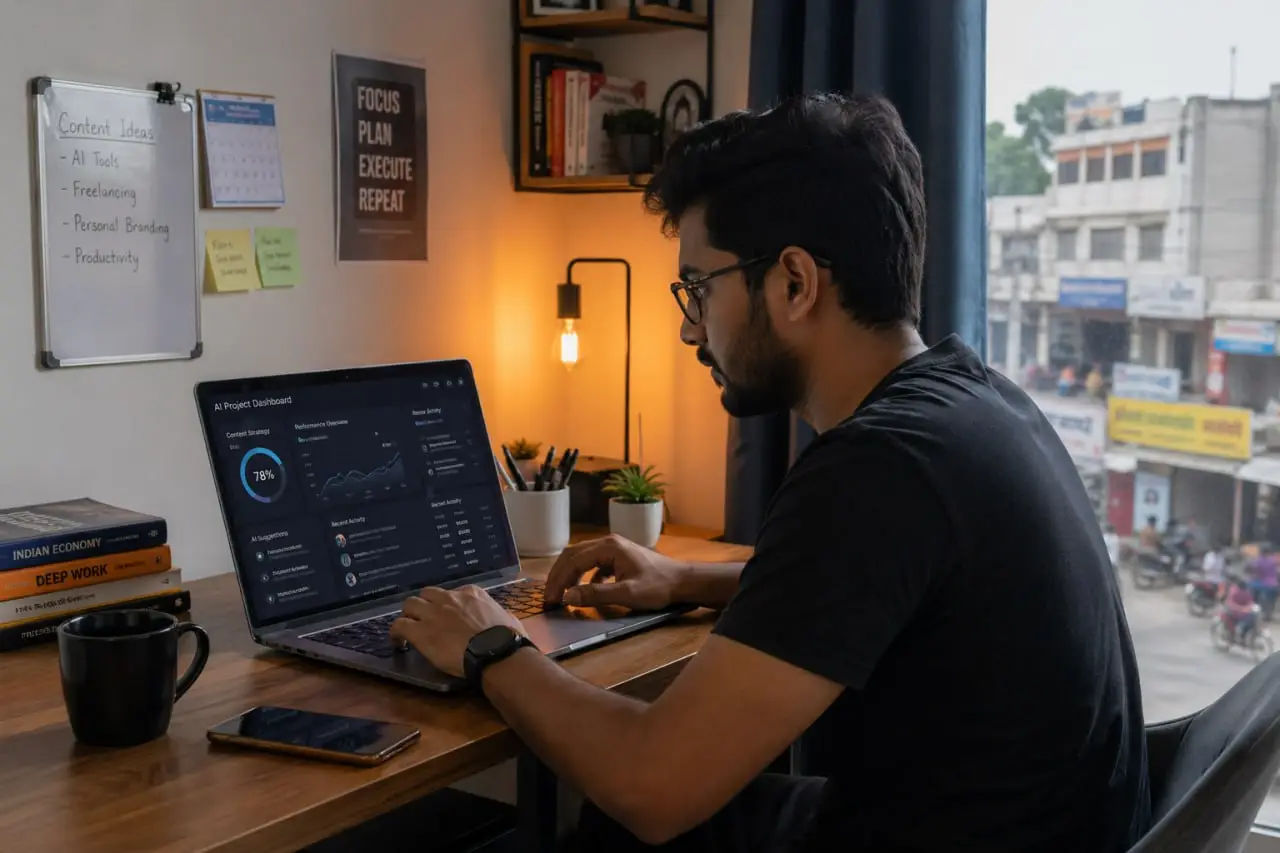
Discover how AI is generating new job opportunities in small Indian cities in 2026 and transforming local economies.
The Rise of AI in Small Indian Cities
Artificial Intelligence is no longer limited to metro cities like Delhi, Mumbai, or Bangalore. In 2026, smaller Indian cities are becoming active participants in the AI revolution. With improved internet connectivity, affordable smartphones, and government-backed digital initiatives, towns like Muzaffarpur, Indore, and Coimbatore are witnessing a quiet transformation. Young people in these areas are no longer migrating to big cities for work. Instead, they are leveraging AI tools to build careers right from their hometowns. This shift is redefining employment patterns and empowering local talent.
AI tools are being used in everything from content creation to customer service, data entry, and even agriculture. Local businesses are adopting automation to improve efficiency, which is indirectly creating demand for skilled workers who can operate and manage these systems. As a result, small cities are seeing a rise in digital freelancers, AI operators, and remote workers. This transition is not only boosting employment but also strengthening local economies by keeping talent within the region.
New Types of Jobs Emerging Due to AI
AI is not just replacing jobs; it is creating entirely new categories of employment. In small Indian cities, roles like AI content writers, prompt engineers, chatbot managers, and automation specialists are becoming increasingly common. These jobs require minimal infrastructure but offer significant earning potential. For example, a student in a Tier-3 city can now earn by managing social media content using AI tools or providing freelance services globally.
Another emerging field is AI-assisted digital marketing. Small businesses are hiring individuals who can use AI tools to run ads, optimize SEO, and generate leads. Similarly, AI-based customer support systems need human supervision, creating jobs in monitoring and training AI chatbots. Even traditional sectors like education are evolving, with teachers using AI platforms to deliver personalized learning experiences. These opportunities are accessible, scalable, and do not require expensive degrees, making them ideal for small-city youth.
Impact on Local Businesses and Startups
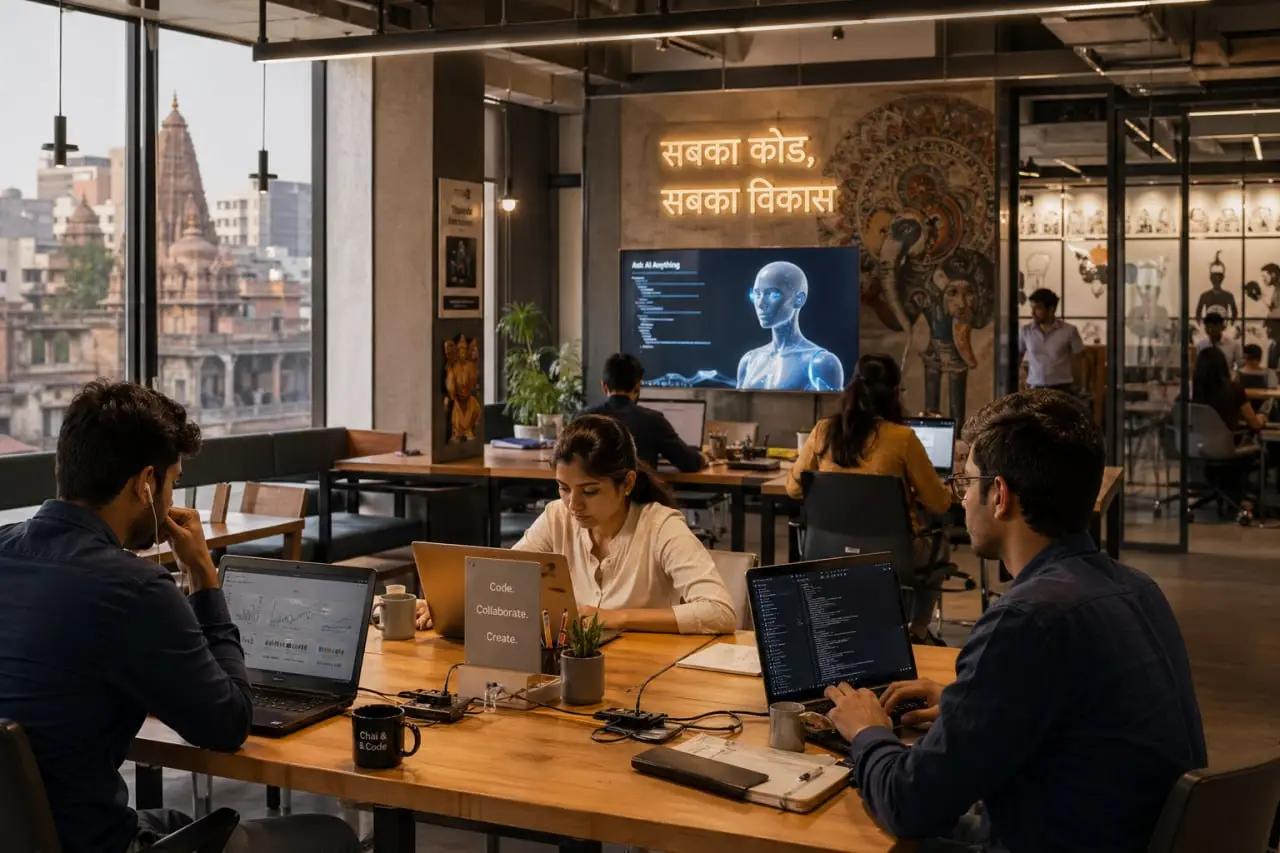
Small businesses in Indian towns are rapidly adopting AI to stay competitive. From retail shops to local service providers, everyone is exploring automation to reduce costs and improve customer experience. This adoption is creating demand for skilled individuals who can implement and manage AI systems. For instance, a local shop may hire someone to manage inventory using AI tools or automate customer queries through chatbots.
Startups are also emerging in smaller cities, focusing on AI-driven solutions tailored to local problems. These startups are generating employment opportunities in development, marketing, and operations. Unlike traditional businesses, AI startups require smaller teams but higher skill levels, encouraging youth to upskill and innovate. The presence of such startups is gradually turning small cities into micro innovation hubs, attracting investments and fostering entrepreneurship.
Role of Government and Digital Infrastructure
The Indian government has played a crucial role in enabling AI-driven job growth in smaller cities. Initiatives like Digital India, Skill India, and Startup India have laid the foundation for digital transformation. Improved internet connectivity through 4G and 5G networks has made it easier for people in remote areas to access AI tools and online platforms.
Government training programs are also focusing on digital skills, including AI and data analytics. These programs are helping youth understand and utilize technology effectively. Additionally, affordable access to online courses and certifications has made skill development more accessible than ever. With continuous support from policy makers, small cities are becoming more capable of integrating AI into their local economies, ensuring sustainable growth and employment.
Freelancing and Remote Work Opportunities
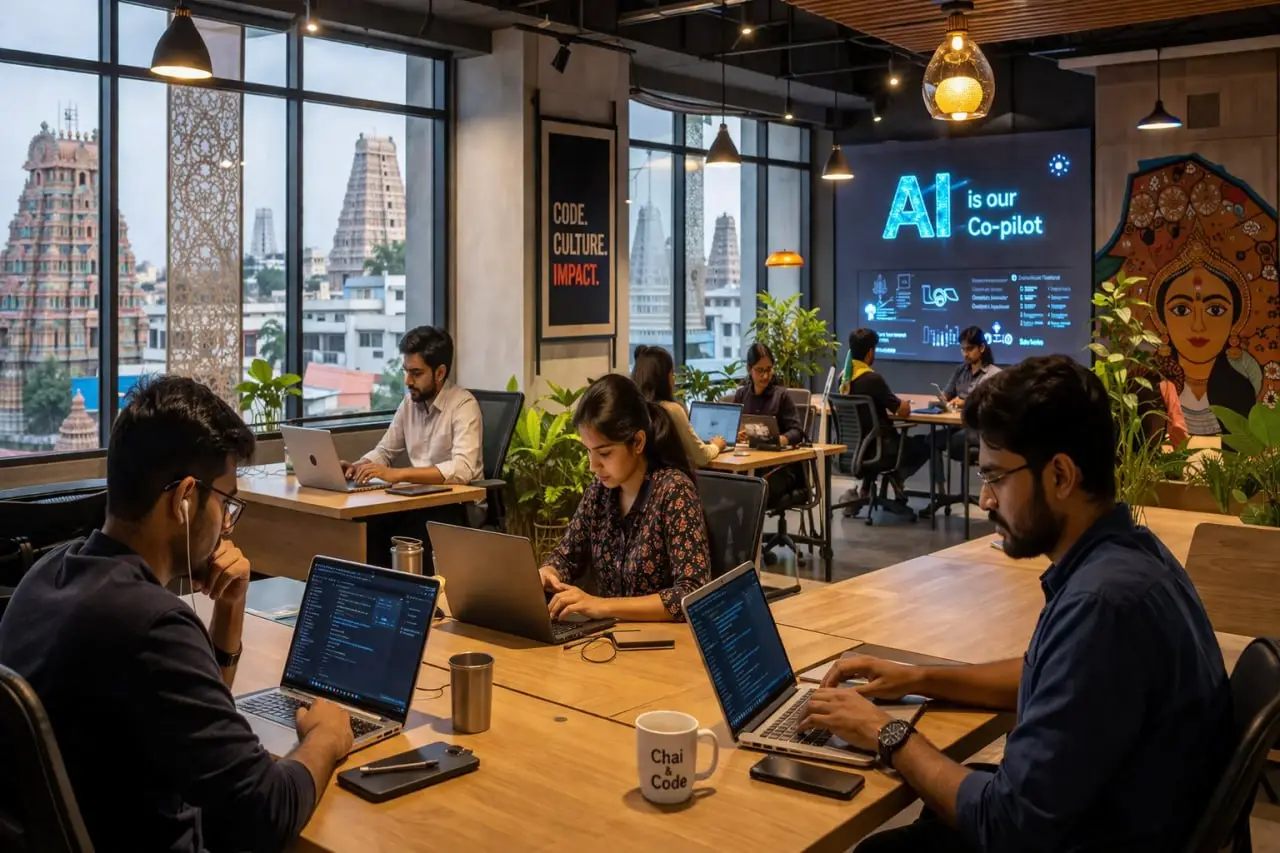
One of the biggest advantages of AI is that it enables remote work. People in small Indian cities can now work for global clients without leaving their homes. Platforms like freelancing websites and remote job portals are filled with opportunities related to AI, such as content creation, data annotation, and virtual assistance.
AI tools make it easier to complete tasks efficiently, allowing freelancers to handle multiple projects at once. This increases earning potential and provides financial independence. Many individuals are building full-time careers through freelancing, contributing to the gig economy. This trend is especially beneficial for students and homemakers who want flexible work options. As remote work continues to grow, small cities are becoming integral parts of the global workforce.
Challenges and Skill Gaps
Despite the opportunities, there are challenges that need to be addressed. One of the biggest issues is the lack of awareness and proper training in AI technologies. Many people in small cities are still unfamiliar with how to use AI tools effectively. This creates a skill gap that limits employment potential.
Another challenge is access to quality education and mentorship. While online resources are available, not everyone knows how to utilize them properly. Additionally, there is a need for more localized training programs that focus on practical applications of AI. Overcoming these challenges requires collaboration between government, educational institutions, and private organizations. By addressing these gaps, small cities can fully harness the potential of AI-driven job creation.
Future Outlook for AI Jobs in Small Cities
The future of AI in small Indian cities looks promising. As technology continues to evolve, more industries will adopt AI, creating additional job opportunities. Sectors like healthcare, agriculture, and education are expected to see significant transformation. For example, AI can help farmers analyze crop patterns, creating demand for tech-savvy agricultural advisors.
Moreover, as companies realize the cost advantages of hiring talent from smaller cities, remote hiring will increase. This will further boost employment and reduce migration to metro areas. With continuous learning and adaptation, individuals in small cities can compete on a global level. The next few years will be crucial in shaping how AI integrates into local economies and workforce structures.
How Individuals Can Prepare for AI Jobs
To take advantage of AI opportunities, individuals need to focus on skill development. Learning basic digital skills, understanding AI tools, and staying updated with industry trends are essential steps. Online platforms offer courses in AI, machine learning, and data analytics that are accessible to everyone.
Practical experience is equally important. Working on small projects, freelancing, and internships can help build confidence and expertise. Networking with professionals and joining online communities can also provide valuable insights and opportunities. By taking proactive steps, individuals in small cities can position themselves for success in the AI-driven job market.
Economic Transformation Through AI
AI is not just creating jobs; it is transforming entire local economies. Increased employment leads to higher income levels, which in turn boosts spending and economic growth. Small businesses benefit from improved efficiency, while new ventures bring innovation and competition.
This transformation also improves the overall quality of life. Better job opportunities reduce migration, keeping families together and strengthening communities. Infrastructure development follows economic growth, leading to better facilities and services. AI is acting as a catalyst for holistic development in small Indian cities, making them more self-sufficient and future-ready.
AI job growth India 2026
Conclusion: A New Era of Opportunities
The integration of AI into small Indian cities marks the beginning of a new era. It is breaking geographical barriers and providing equal opportunities to individuals regardless of their location. With the right skills and mindset, anyone can benefit from this technological shift.
As awareness increases and infrastructure improves, the impact of AI will continue to grow. Small cities are no longer just consumers of technology; they are becoming creators and contributors. This change is empowering millions and reshaping India’s employment landscape. The journey has just begun, and the potential is limitless for those willing to adapt and innovate.