
New LPG rules from May 2026 bring OTP delivery, booking gap changes and price updates. Know how it affects gas users in India.
What Has Changed in LPG Cylinder Rules From May 2026
From May 2026, LPG cylinder rules in India have been updated to make the system more secure, transparent, and efficient for consumers. These new changes mainly focus on delivery verification, booking intervals, and pricing adjustments. The government and gas agencies are trying to reduce fraud, improve tracking, and ensure cylinders reach the right customers without misuse. One of the biggest highlights is the introduction of OTP-based delivery confirmation, which adds a layer of security for both customers and distributors.
Earlier, many users complained about fake deliveries or unauthorized use of their gas connections. With the new system, every delivery will require verification, ensuring that only the registered user receives the cylinder. Along with this, booking gap rules have also been revised, meaning customers may now have to wait for a defined time before booking another cylinder. These changes aim to prevent overbooking and ensure fair distribution, especially during high demand periods. Overall, these updates are expected to bring more discipline and transparency to LPG usage across India.
OTP-Based LPG Delivery System Explained
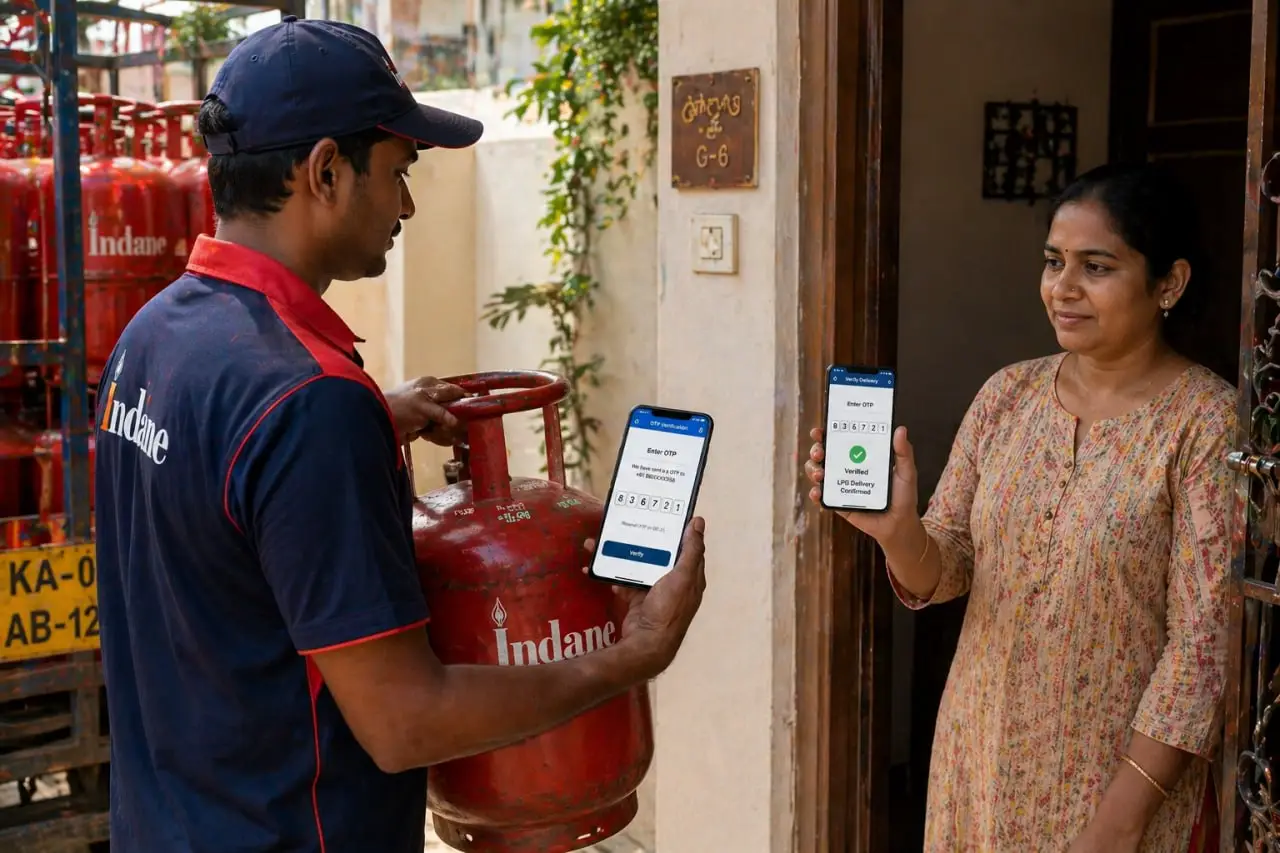
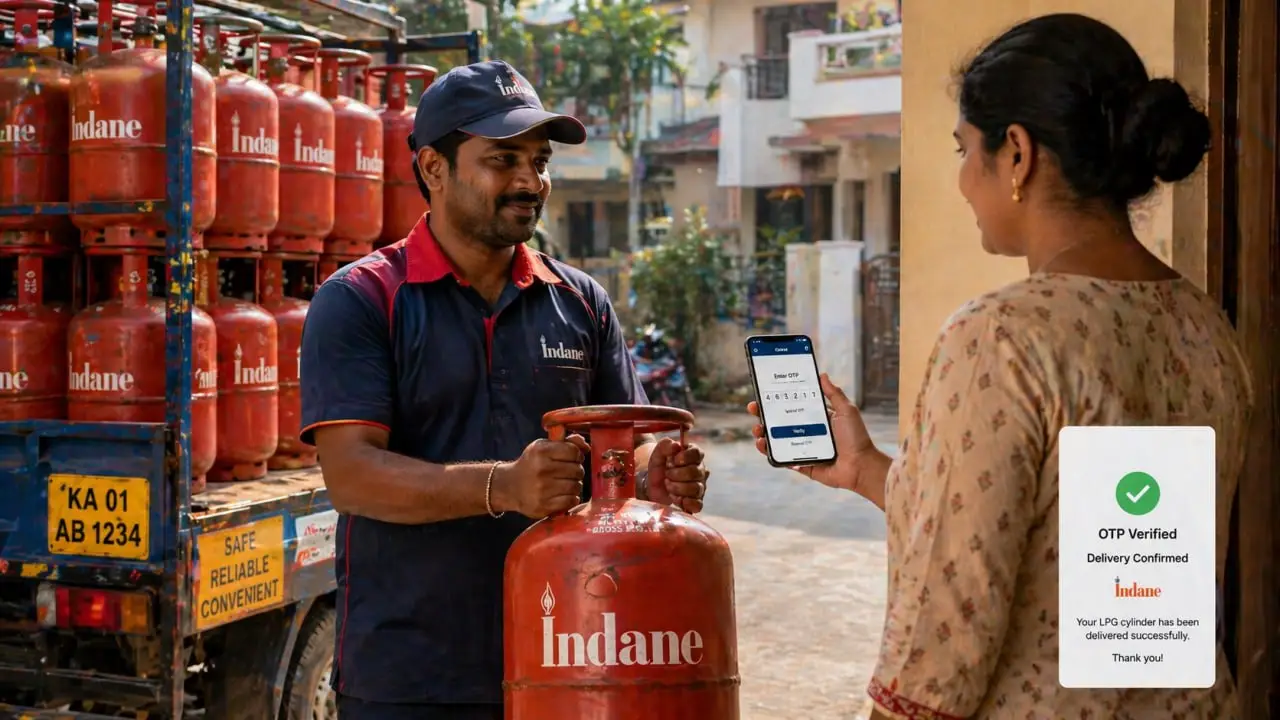
The introduction of OTP-based delivery is one of the most significant changes in the new LPG rules. Under this system, whenever a customer books a cylinder, an OTP is sent to their registered mobile number once the delivery agent is on the way. This OTP must be shared with the delivery person to successfully receive the cylinder. Without this code, the delivery will not be completed.
This step ensures that cylinders are delivered only to the rightful owner and eliminates cases of fake delivery entries. It also helps customers track their orders more accurately and adds accountability for delivery agents. In case someone is not available at home, they can share the OTP with a trusted person to receive the cylinder on their behalf. However, customers must ensure their mobile numbers are updated with their gas agency, otherwise they may face issues during delivery. This simple yet powerful change is expected to reduce fraud and improve service quality significantly.
New Booking Gap Rules for LPG Cylinders
Another important update in the new LPG rules is the change in booking gap. Previously, customers could book a new cylinder soon after receiving one, but now a minimum gap period has been introduced. This means users will need to wait for a certain number of days before placing the next booking request.
The purpose behind this change is to control unnecessary bookings and ensure fair availability for all consumers. In many areas, people used to book multiple cylinders in advance, leading to shortages for others. With the new rule, the system will automatically restrict early bookings, ensuring balanced distribution. While this may seem inconvenient for some users, it is beneficial in the long run as it prevents hoarding and ensures that everyone gets timely access to LPG cylinders. Customers are advised to plan their usage accordingly to avoid running out of gas during the waiting period.
LPG Cylinder Price Updates and Impact
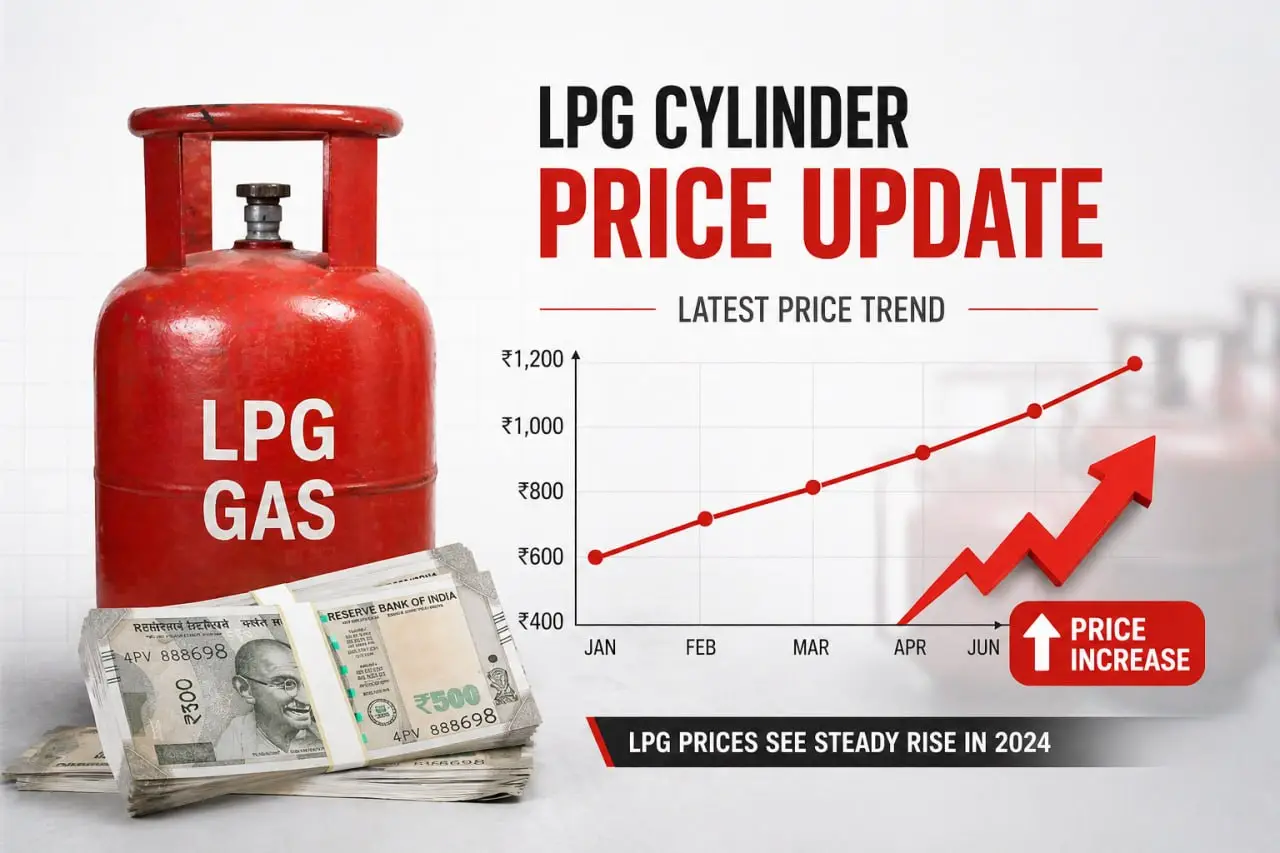
Along with delivery and booking changes, LPG cylinder prices are also expected to see adjustments from May 2026. Prices may vary depending on global fuel rates, government subsidies, and regional factors. These updates are part of regular revisions but are now being closely monitored due to rising energy demands.
For consumers, this means keeping an eye on monthly price updates and planning their budget accordingly. Subsidized and non-subsidized cylinders may have different pricing structures, and changes can directly impact household expenses. In some cases, prices may increase slightly, while in others, government support may help stabilize costs. The key is to stay informed through official announcements and gas agency notifications. Understanding these price changes can help consumers make better decisions regarding usage and budgeting.
How These Changes Affect Common Households
For everyday households, these new LPG rules will bring both convenience and responsibility. The OTP system ensures safe delivery, but it also means users must be present or reachable during delivery time. Similarly, the booking gap requires better planning of gas usage. Families will need to monitor their consumption and book cylinders at the right time to avoid inconvenience.
These changes are especially important for households that rely heavily on LPG for daily cooking. While the new system may feel strict initially, it ultimately aims to improve service quality and prevent misuse. Over time, users will adapt to these rules and benefit from a more organized and transparent system. The focus is on creating a fair and efficient distribution network that serves everyone equally.
Benefits of the New LPG Rules
The updated LPG rules come with several benefits for consumers and the system as a whole. The OTP-based delivery ensures security and prevents fraud, while the booking gap promotes fair usage. Together, these changes create a more reliable and efficient distribution process.
Another major advantage is improved accountability. Delivery agents can no longer mark fake deliveries, and customers have better control over their orders. This builds trust between consumers and gas agencies. Additionally, the system helps reduce wastage and ensures that cylinders are distributed based on actual need. Over time, these improvements will lead to better service quality and customer satisfaction across the country.
Possible Challenges and User Concerns
Despite the benefits, some users may face challenges with the new rules. For example, elderly people or those without smartphones may find it difficult to handle OTP-based delivery. Similarly, users in areas with poor network connectivity may experience delays or issues in receiving OTPs.
The booking gap rule may also be inconvenient for large families or households with higher gas consumption. They will need to carefully plan their usage to avoid running out of gas. However, these challenges can be managed with proper awareness and support from gas agencies. Over time, as people become familiar with the system, these issues are likely to reduce.
Tips to Manage LPG Usage Under New Rules
To adapt to the new LPG rules, users should adopt a few simple practices. First, always keep your registered mobile number active and updated with your gas agency. This ensures you receive OTPs without any issues. Second, track your gas usage and plan bookings in advance to match the new gap rules.
It is also helpful to keep a backup cylinder if possible, especially for larger families. This reduces dependency on immediate bookings. Additionally, stay updated with official announcements regarding price changes and policy updates. By following these tips, users can easily manage their LPG needs without facing major inconveniences.
Future of LPG Distribution in India
The introduction of these new rules marks a step towards a more digital and transparent LPG distribution system in India. With technology playing a key role, future updates may include app-based tracking, automated booking systems, and better customer support services.
These advancements will further improve efficiency and make the process more user-friendly. As India continues to embrace digital transformation, LPG services are also evolving to meet modern demands. The focus is on creating a system that is secure, reliable, and accessible to all users, regardless of their location.
Conclusion- What You Should Remember
The new LPG cylinder rules from May 2026 bring important changes that every consumer should understand. From OTP-based delivery to booking gap adjustments and price updates, these rules aim to improve the overall system. While there may be initial challenges, the long-term benefits are significant.
By staying informed and adapting to these changes, users can ensure a smooth and hassle-free experience. The key is to plan ahead, stay updated, and use the system responsibly. These updates are not just about rules but about building a better and more efficient LPG distribution network for the future.