
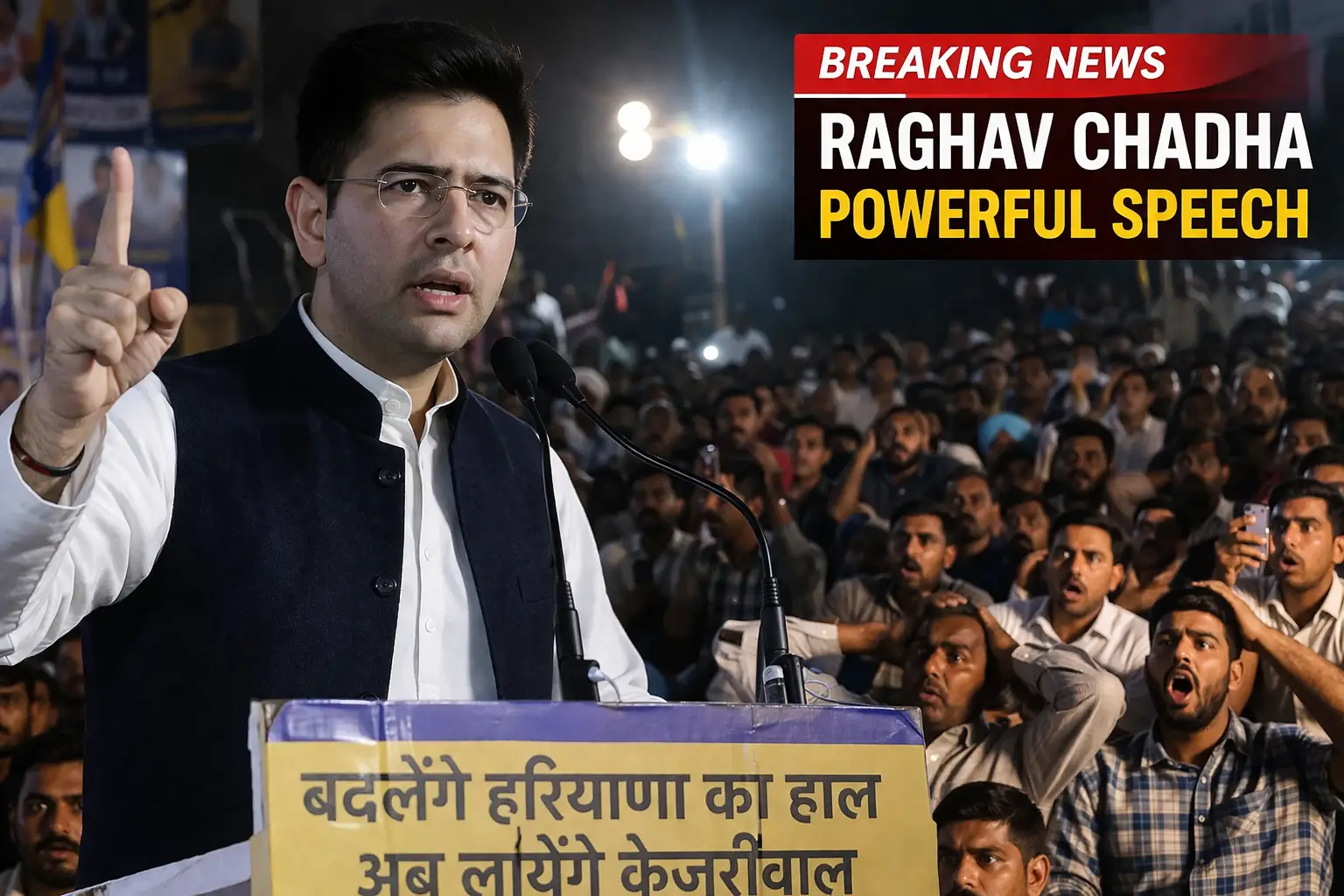
Raghav Chadha’s shocking political move from AAP to BJP explained, including past statements and sudden drop in followers.
Raghav Chadha’s Sudden Political Shift Sparks Nationwide Debate
The recent developments surrounding Raghav Chadha have triggered intense debate across political and public circles. Known as one of the prominent young faces of Aam Aadmi Party, Chadha built his image as a sharp critic of traditional politics, especially targeting the Bharatiya Janata Party. However, the latest reports claiming his shift towards BJP have shocked many of his followers and political observers. What makes this situation even more surprising is not just the alleged move but the stark contrast with his earlier public statements. Over the years, Chadha positioned himself as a reform-driven leader advocating transparency, often criticizing BJP’s policies and governance style. This sudden reversal has raised questions about political consistency, ideological commitment, and the realities of modern Indian politics. Social media has become a battleground, with supporters expressing disappointment and critics highlighting what they call “predictable political opportunism.” The situation has quickly evolved into a major talking point nationwide.
What Raghav Chadha Earlier Said About BJP
Before these recent developments, Raghav Chadha had built a strong reputation as a vocal critic of the Bharatiya Janata Party. His speeches, interviews, and parliamentary discussions often included sharp remarks against BJP’s economic policies, governance decisions, and central leadership strategies. Chadha frequently emphasized issues such as inflation, unemployment, and alleged misuse of power, positioning himself as a representative of the common citizen’s voice. He had also accused BJP of undermining democratic institutions and failing to address grassroots concerns effectively. These statements were widely circulated and appreciated by AAP supporters, helping him gain significant popularity among young voters. His communication style, often direct and data-driven, made him a recognizable figure in Indian political discourse. Because of this strong anti-BJP stance, the current narrative of him moving towards the same party appears contradictory to many. Critics are now revisiting his past statements, comparing them with present developments, and questioning whether political ideology has taken a backseat to strategic positioning.
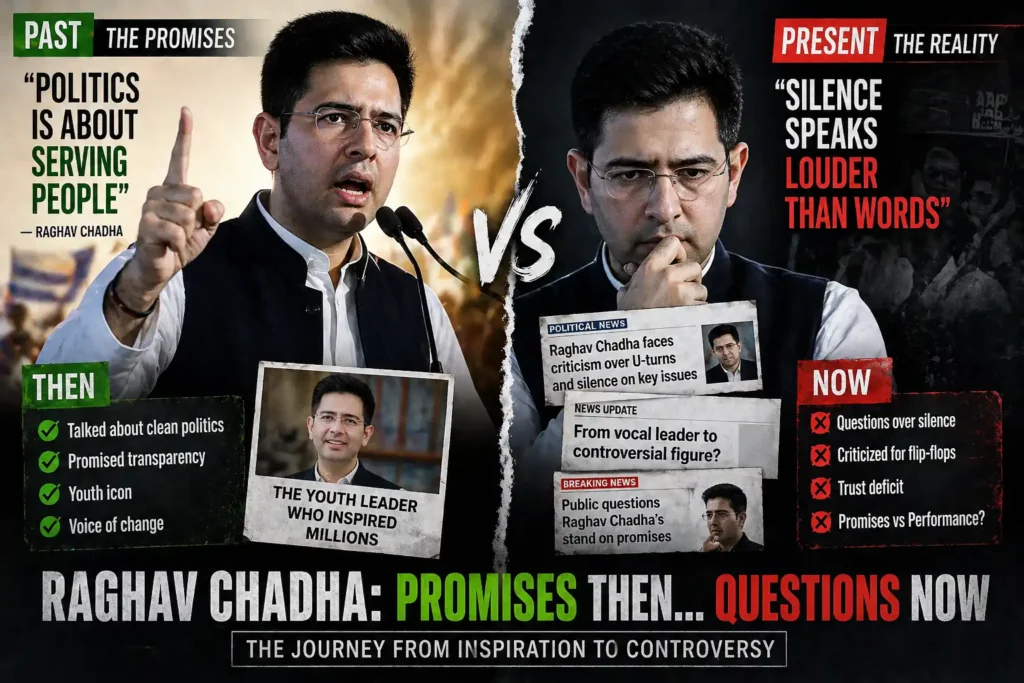
Reasons Being Discussed Behind the Alleged Shift
While no official confirmation has fully clarified the situation, multiple theories are circulating regarding why such a shift might occur. Political analysts suggest that strategic positioning, career growth, and changing political dynamics could play a role. In Indian politics, alliances and ideological flexibility are not uncommon, especially when leaders seek broader influence or national-level relevance. Some observers believe that internal conflicts within AAP may have contributed to this decision, while others argue that evolving political ambitions could be a driving factor. There is also speculation that aligning with a larger national party like BJP could offer greater opportunities in terms of governance roles and policy impact. However, supporters of AAP view this as a betrayal of the party’s core principles, arguing that Chadha’s earlier stance was deeply rooted in anti-establishment values. Without a clear statement from Chadha himself, these remain interpretations, but they continue to fuel discussions across media platforms and political forums.
Massive Drop in Social Media Followers Raises Questions
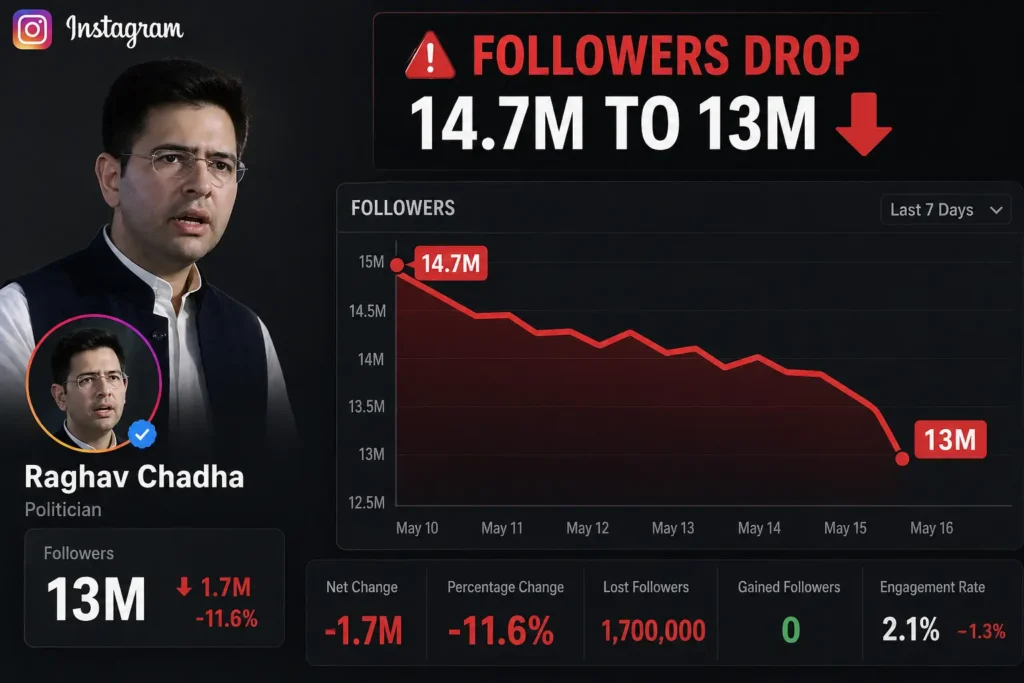
One of the most talked-about consequences of this controversy is the sharp decline in Raghav Chadha’s social media following. Reports indicate that his follower count dropped from approximately 14.7 million to around 13 million within a short period. This significant decrease highlights the emotional response of his audience, many of whom had supported him based on his earlier political stance. Social media platforms often serve as a direct reflection of public sentiment, and such a decline suggests dissatisfaction or disillusionment among followers. Many users have expressed their reactions openly, with some accusing him of abandoning principles while others demand clarification. At the same time, a section of supporters continues to defend him, arguing that political decisions should not be judged prematurely. The rapid change in numbers demonstrates how quickly public opinion can shift in the digital age, especially when expectations are not met. It also underscores the importance of consistency and communication for public figures.
Public Reaction and Media Coverage
The reaction from the public and media has been swift and intense. News channels, online platforms, and independent commentators have all focused on analyzing this unexpected development. Debates are being held on whether this move reflects a larger trend in Indian politics, where ideology is increasingly overshadowed by strategy. Supporters of AAP have voiced disappointment, stating that such actions weaken trust in political leadership. On the other hand, BJP supporters and neutral observers have interpreted the situation differently, viewing it as a sign of political maturity or adaptation. Media coverage has also highlighted the contrast between Chadha’s past speeches and the current narrative, amplifying the sense of shock among viewers. This widespread attention has ensured that the issue remains in public discourse, with each new update adding to the ongoing debate. The situation has effectively turned into a case study of how political branding and public perception interact.
Impact on Aam Aadmi Party’s Image
If these developments hold true, the impact on the Aam Aadmi Party could be significant. Raghav Chadha has been one of the party’s most recognizable faces, especially among urban and young voters. His departure or shift could create a gap in the party’s communication strategy and public outreach. AAP has built its identity on principles of transparency, anti-corruption, and alternative politics, and any high-profile exit raises concerns about internal stability. Party leadership may need to address these concerns quickly to maintain confidence among supporters. At the same time, such events can also serve as moments of reflection and restructuring, allowing the party to reinforce its core values. Political parties often face challenges of this nature, and their response plays a crucial role in determining long-term impact. For AAP, managing public perception and maintaining unity will be key in navigating this situation.
Political Strategy or Ideological Shift
A central question emerging from this situation is whether it represents a genuine ideological shift or a calculated political strategy. In modern politics, leaders often face the challenge of balancing personal beliefs with practical considerations. Aligning with a different party may offer new opportunities but also carries the risk of losing credibility. For Raghav Chadha, the perception of inconsistency could have lasting implications on his political career. At the same time, some analysts argue that changing political landscapes require adaptability, and leaders must evolve to remain relevant. This perspective suggests that such moves should be evaluated based on outcomes rather than initial reactions. However, for the general public, consistency remains an important factor in building trust. The debate between ideology and strategy continues to shape political narratives, making this situation particularly significant in understanding contemporary leadership dynamics.
What This Means for Indian Politics
This development is not just about one leader but reflects broader trends in Indian politics. The increasing influence of social media, rapid news cycles, and heightened public awareness have changed how political decisions are perceived. Leaders are now under constant scrutiny, and their past statements are easily accessible for comparison. This creates both opportunities and challenges, as even minor inconsistencies can become major controversies. The case of Raghav Chadha highlights the importance of clear communication and transparency in maintaining public trust. It also raises questions about the role of ideology in modern politics, where strategic decisions often take precedence. As political landscapes continue to evolve, such incidents will likely become more common, making it essential for both leaders and voters to engage with issues critically and thoughtfully.
Conclusion: A Turning Point or Temporary Controversy
Whether this situation becomes a defining moment in Raghav Chadha’s career or fades as a temporary controversy will depend on how events unfold in the coming days. A clear statement from Chadha addressing these concerns could help clarify the narrative and restore some level of trust. Until then, speculation and debate are likely to continue. For supporters, this is a moment of reflection on expectations and political realities, while for critics, it serves as validation of long-standing concerns about political consistency. Ultimately, the situation underscores the complex nature of public life, where decisions are constantly evaluated and reinterpreted. As more information emerges, it will provide a clearer understanding of the motivations and implications behind this development. For now, it remains one of the most discussed political stories, capturing attention across the country.