
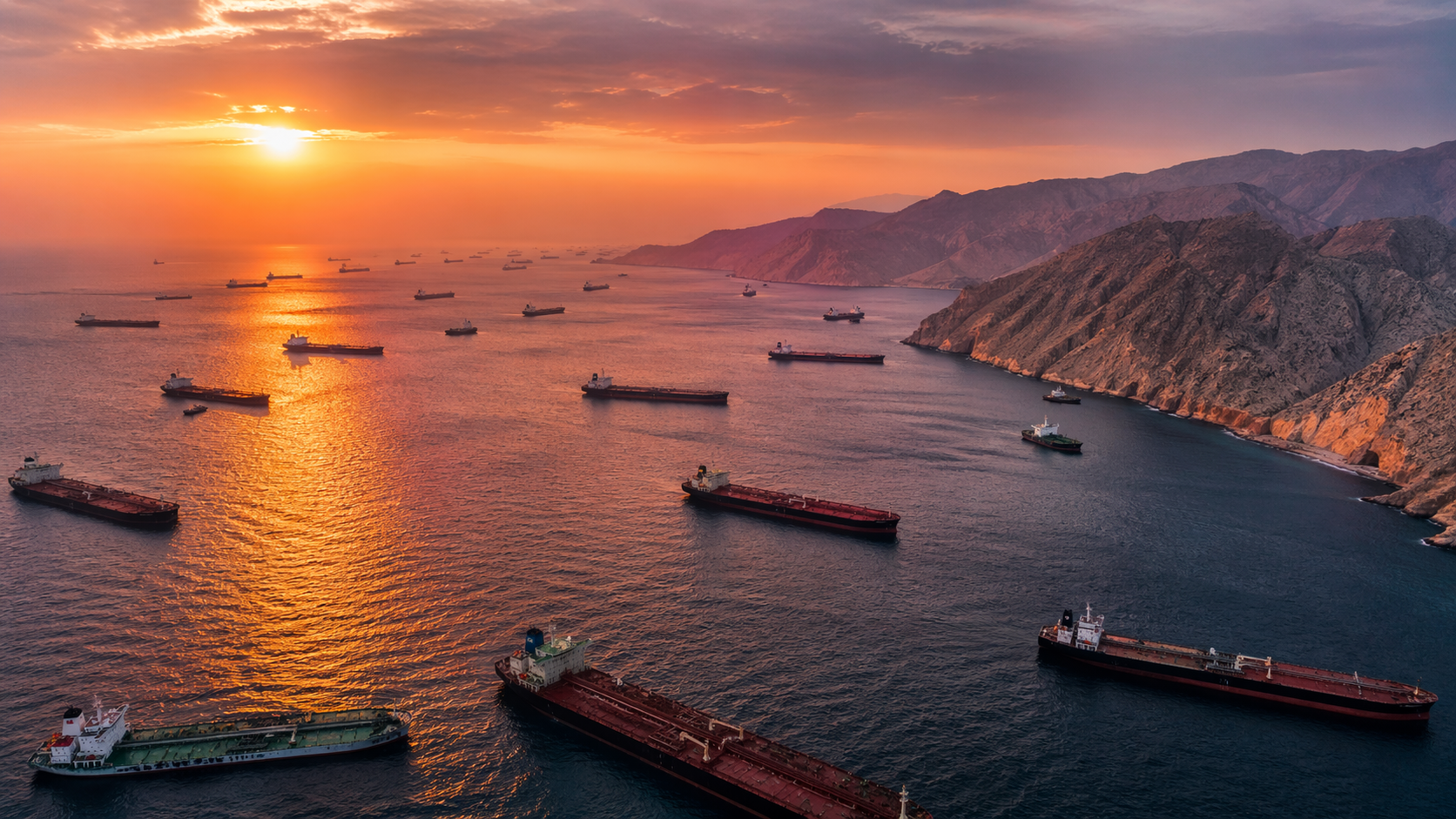
In a move that has sent ripples through international corridors of power, President Trump has officially extended the temporary ceasefire with Iran. This decision comes at a critical juncture where military tensions had reached a boiling point, threatening to spill over into a full-scale regional conflict. By choosing to prolong the truce, the administration signals a preference for continued back-channel negotiations over immediate kinetic action, providing a fragile sense of relief to global markets.
The Stalemate at Sea
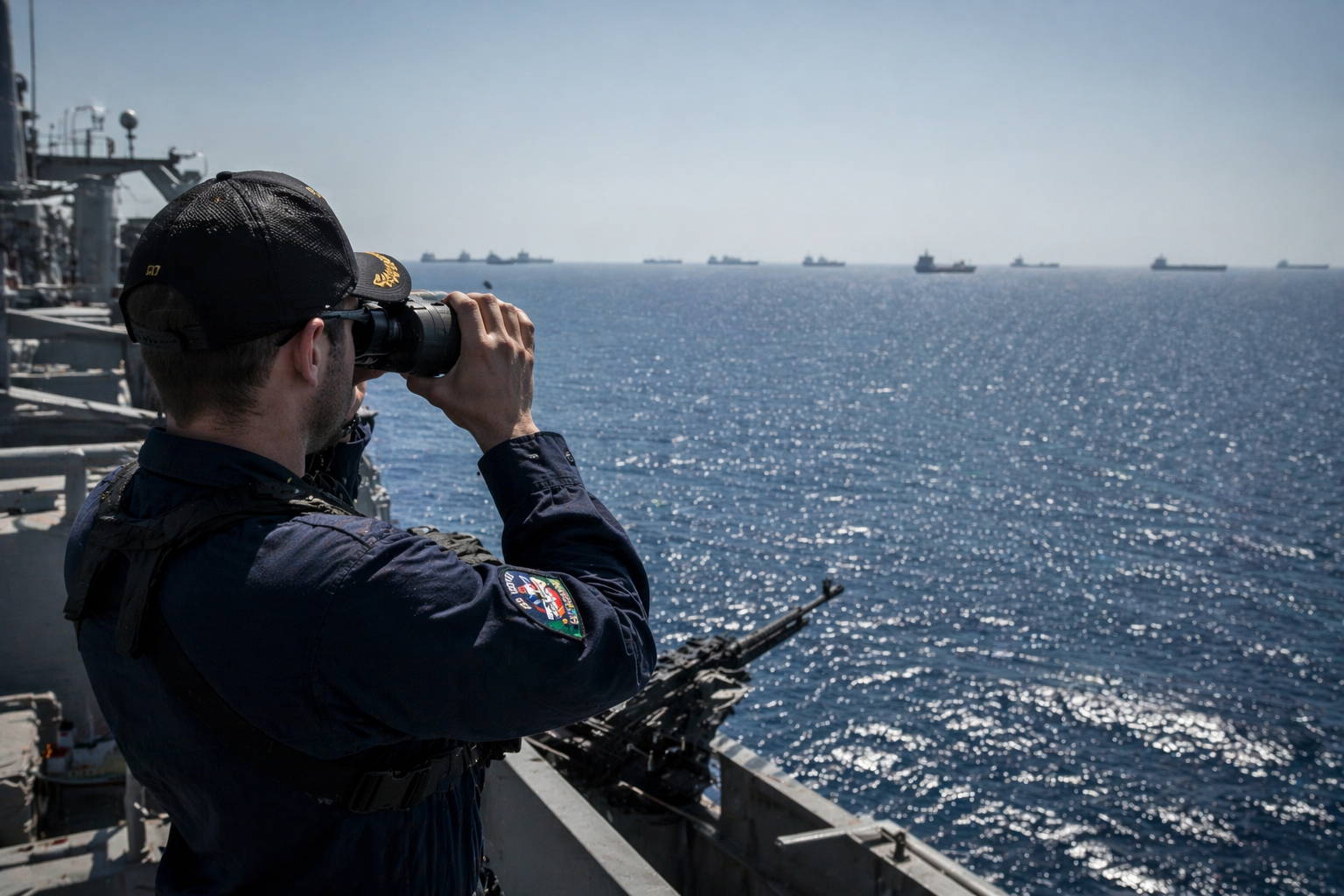
Despite the pause in active hostilities, the strategic blockade of the Strait of Hormuz is set to continue indefinitely. The Iranian Revolutionary Guard remains positioned at key chokepoints, maintaining a firm grip on the world’s most vital oil transit artery. This maritime standoff has created a paradoxical environment where the guns are silent, but the economic pressure remains absolute. Washington has made it clear that while they are not currently striking, the presence of the blockade remains an unacceptable status quo.
Global Energy Markets React
The extension of the blockade continues to strain global energy supplies, forcing crude oil prices to fluctuate as traders weigh the risks of the extended ceasefire. Many nations that rely heavily on Middle Eastern exports have begun tapping into strategic reserves, fearing that a permanent resolution remains months away. Industry analysts suggest that while the lack of active combat prevents a price spike, the logistical nightmare of rerouting shipments around the Cape of Good Hope is adding significant costs to the global supply chain.
Pressure on De-escalation Efforts
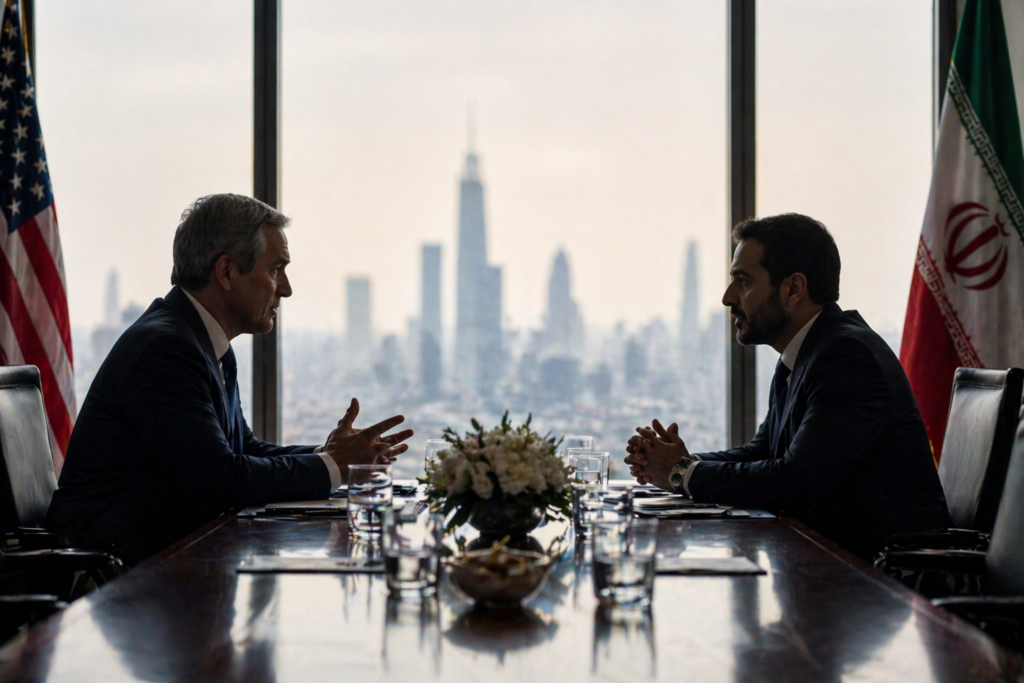
International mediators, led by European and Middle Eastern intermediaries, are working tirelessly to turn this temporary ceasefire into a more sustainable framework. The primary challenge remains the removal of the blockade, which Tehran views as its strongest leverage against economic sanctions. Diplomatic sources indicate that the Trump administration is demanding a full withdrawal from the shipping lanes before any further concessions are discussed, leading to a complex game of geopolitical chess.
Impact on Regional Stability
The prolonged blockade is also reshaping regional alliances, as neighboring Gulf states bolster their own maritime defenses and seek alternative export routes. The humanitarian and economic impact on local economies is becoming increasingly evident, with port cities seeing a sharp decline in activity. While the ceasefire prevents immediate casualties, the long-term stability of the region hinges on whether these two nations can find a middle ground that ensures the freedom of navigation without a return to violence.
The Road Ahead
As the world watches the Strait of Hormuz, the coming weeks will be a true test of the Trump administration’s “pressure-plus-dialogue” strategy. Military officials remain on high alert, prepared to pivot should the ceasefire be breached by either side. For now, the global community is left in a state of watchful waiting, hoping that the extension of the truce provides enough time for a diplomatic breakthrough that finally reopens the world’s most critical waterway.